Dear Jacky:
How can I be an artist that agents love to rep?
It’s one thing to get an agent, and another thing to keep an agent.

The artist-agent relationship is just that – a relationship! It’s not a one-sided venture, and the most successful artist-agent relationships are those where everyone understands what is expected of one another.
While an agent is responsible for nurturing an artist’s career, marketing their work, connecting them with the right clients and opportunities, and taking care of the nitty gritty business and administrative details, the artist also has to hold up their end of the bargain. This could mean that, as an artist, you're expected to:
- —•Stay current, develop your craft
- —•Push yourself further and explore new styles, techniques and opportunities outside of your work as a commercial artist
- —•Dream big and share those dreams
- —•Be communicative, thorough and reliable
- —•Do great work and be great to work with
Stay current and develop your craft.
This should be a no-brainer. Resting on your laurels will only get you so far when trends change and shift with every scroll. In an industry that is constantly changing, progressing and evolving, an agent is going to want to work with artists who are doing the same.
This doesn’t mean re-inventing yourself or your practice every year, but when an artist is continuing to try new things whether that’s different tools, workflows, programs or exploring new mediums, it shows an agent that you are actively engaged with your own work and invested in continuing to develop and hone your craft.
Keeping tabs on blogs like It’s Nice That, Creative Boom, Ads of the World, Out of Commission (Jacky Winter's own illustration blog!) or substacks from your favorite clients or art directors are great ways to stay current on what work is out there being commissioned and who is commissioning it.
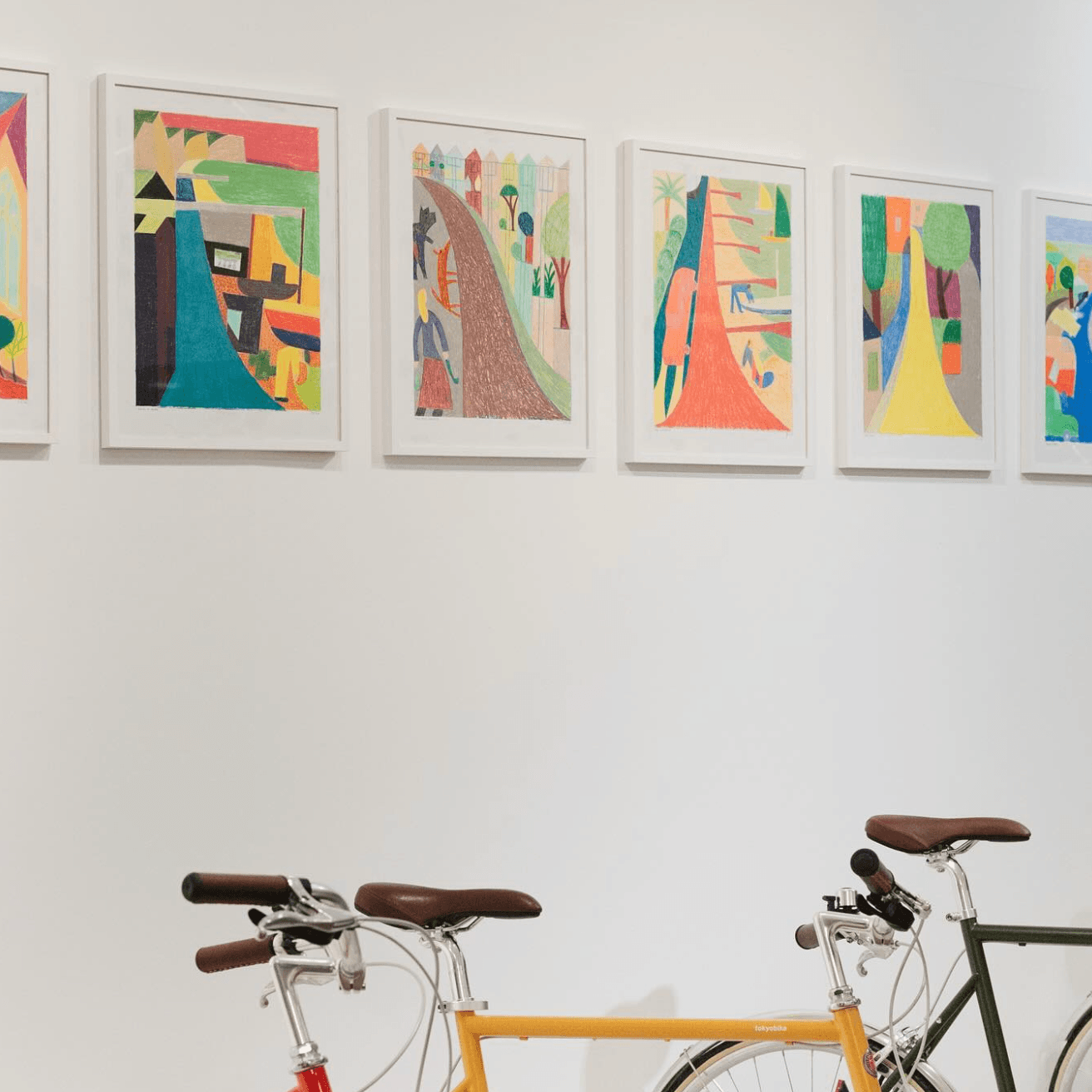
Clara Marcus, Managing Agent-Producer, UKThe portfolios that excite me most are those with an unmistakable creative voice that runs through the entire body of work but where that vision is brought to life across different mediums. Whether that’s 3D animation, large-scale installation, or oil pastels, pushing your practice across different formats keeps the work feeling both fresh and distinctive.
Push yourself further and explore new styles and techniques and opportunities outside of your work as a commercial artist.
Beyond personal explorations relevant to your professional practice, as an agent we love to see artists who are trying new things, tinkering with a different technique, trying a new medium as a purely personal pursuit rather than something specific to their commercial practice. Trying new things separate to your work is the easiest way to maintain enthusiasm and creative curiosity that will eventually cycle back to your professional practice.
We have artists who, outside of the work they tend to be commissioned for, spend time experimenting with riso and screenprinting, painting or collage work. Posting experiments on social media is a great way to get keep yourself engaged with the creative community, especially when you may have lulls in commissions. Personal work experiments oftentimes can serve as greater inspiration for commercial work, or a reprieve to get your creative energy moving again if you’re in a particularly down period.

Bianca Bramham, Managing Agent-Producer, North AmericaWe talk a lot at Jacky Winter about how the irony of working in the creative industry is that sometimes the process isn't actually that creative. Because there are a lot of dollars and stakeholders on the line, clients often need to see what they want to commission before trusting that an artist is the right person for the job. Even if your direct client is a creative, they're often having to sell your work to decision-makers with no creative background.
This is where having the right subject matter or demonstrating the appropriate mood can be really helpful in getting your work over the line.
That said, creative people are ultimately inspired by other creatives. While having commercial work in your folio can help a client trust your abilities to deliver, that work has often been touched by so many different hands by the time it hits the market that while it can be good, it's often watered down. The work that other creatives are most inspired by is the work that comes purely from the artist's point of view.To borrow from Rick Rubin: the audience comes last. Make sure you're making time to make art truly for yourself.
Dream big and share those dreams.
We love when artists have dreams and goals for themselves that we can work towards together to make happen. While an agent likely has a good understanding of your career ambitions, the more we know about you and what you’re looking to achieve or do, the better!
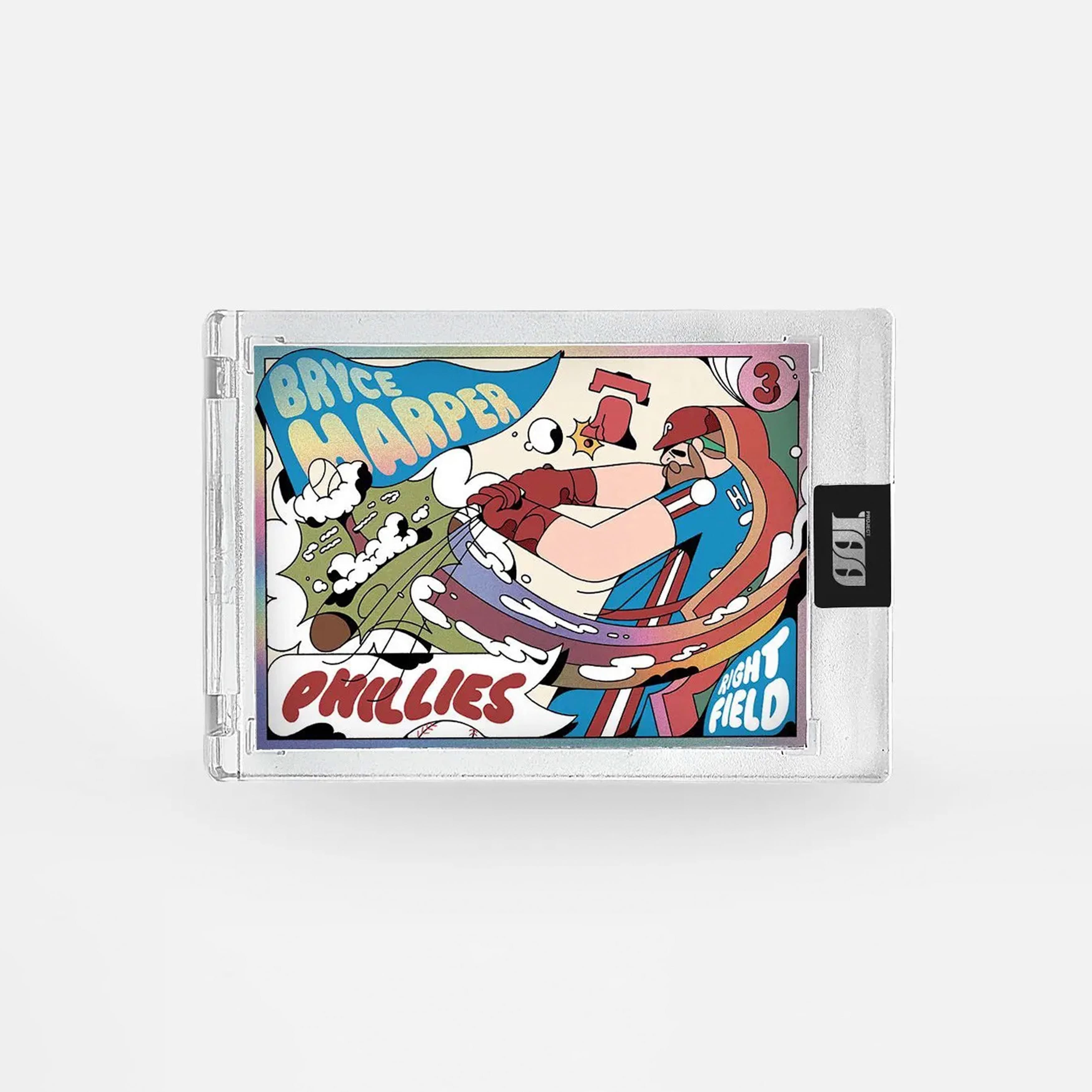
Aubrey Halloran, Senior Agent-ProducerDuring one of our regular catch ups, Louis Wes and I were discussing his dream clients and the Phillies (a baseball team we both love!) came up. I wasn’t quite sure how a collaboration might come to life with the Phillies as they’re not a client your mind typically goes to when you think of a brand commissioning illustration, but following your curiosity often leads down fruitful paths.
So, I encouraged Louis to create a faux poster for the Phillies. He did and it looked so cool! I sent it around to a number of clients that commission baseball-adjacent work and lo and behold we received a brief back from Topps for a series of artist cards! It was such a delight to see Louis work on a dream project of his and I felt lucky to be a part of that process.
Be communicative, thorough and reliable.
When the going gets tough, tell your agent! Communication is key in all aspects of an agent-artist relationship, and with a client. If you are struggling, aren’t going to hit a deadline, or are feeling confused or concerned about a project, you have to communicate that so it can be dealt with. If you don’t, not only could you be doing harm to your reputation, but it also makes it difficult for your agent to be able to advocate on your behalf to the client.
Just as an agent can help deliver on making your goals and dreams a reality, they can also be trusted partners in helping you decide things like when you might need to take a step back or turn down an opportunity that might not be the right fit you, because having discernment over what and how much to take on at any given time is just as crucial as landing more work.
Missing a deadline or needing more time to deliver happens. We’re all human and most clients are understanding that things happen. That being said, we (agents and clients alike) will always remember the projects where we had to constantly chase up delivery dates, or where the artist went AWOL on deliveries.
If you’re habitually late on deliveries, or disappear and are unreachable for an amount of time on a project, that has a real impact on your professional relationships. Your agent may start to become concerned about putting you forward for projects, which hinders their ability to work effectively on your behalf. Clients stop coming back for continued work because they remember those times that the artist went AWOL, and the stress of getting down to the wire and being concerned about whether work would be delivered accordingly.
You have to be realistic about the work that you can take on and the delivery milestones that you can make, and if things change, tell someone before it’s too late.
Beyond communicating when you might be having a hard time or need help, you should also be thorough when reviewing briefs to ensure you’re understanding clearly what the expectations are and if you’re unsure, asking for clarification to avoid getting off on the wrong foot. Also, be sure you’re going back to the brief throughout the process anytime you feel unclear as there may be valuable information that answers any questions you may have and can clear things up for you.
And when in doubt…
Do great work and be great to work with.
At the end of the day, above all else this is true. If you’re pleasant to work with, people will come back to work with you. A positive attitude goes a long way in this very small industry and sometimes can make or break a project and a relationship. Is there any better feeling than wrapping a project with a team that felt like a true collaboration and ran smoothly? No! And these are the projects that everyone remembers at the end of the day.
Even if there was a hiccup along the way and let’s face it, sometimes there are, as much as we remember the projects that go haywire everyone is also always going to remember the feeling of wrapping up a job well done with someone who was a joy to work with and very likely come back for another round of successful partnership.

Danielle Barnhart, Agent-ProducerThe best relationships between artist and agent are ones built on a foundation of trust, where both parties are comfortable being candid with one another. As an artist, keeping yourself open to feedback and a different perspective can really be the difference between a surface level relationship with your agent and potentially propelling your practice and career forward in a meaningful way. Whether it’s with your agent or a client, keeping an open mind and collaborative spirit cannot be underestimated.
No agent will ever be able to promise or predict how many or which clients will be interested in hiring you, but we can pledge and strive to coach, support, and advocate for our artists the best we possibly can and in order to do so, ideally that effort and energy would be reciprocated.
And listen, sometimes there are projects that are just a nightmare. This happens and it’s natural to feel frustrated or discouraged if a client sends feedback that may be unexpected or critical, but the best thing you can do for yourself is to take a moment before reacting too strongly. Try to see where they may be coming from with their thoughts, and respond thoughtfully with a solution oriented approach in mind. Everyone is working towards the same goal at the end of the day.
These are all parts of the recipe for a successful, happy relationship not just with an agent, but with your clients as well.
Newsletter
About the author

Claire's main goal as an agent-producer is ensuring that it's as easy as possible to get the very best result on any and every project – for artist and client alike. With an extensive background in artist management (including roles within leading fashion & photography agencies) and a prior role working client-side in product and tech, she has a wealth of knowledge that uniquely encompasses all aspects of creative production and agenting. An asset on any project, her key interests lie in packaging, branding, integrated ad campaigns, editorial and publishing.