Dear Jacky:
How do I navigate an uninspiring brief?
Dear Reader,
Ahh yes, the uninspiring brief. A familiar visitor in any creative practice, whether you’re on the receiving end or the one writing it, how do I tackle this beast?
Jacky Winter Agent & Producer, Kirsten Chan, walks you through her five simple tips and practical considerations.
From the agency side of the fence, I can tell you this: it happens to everyone. Not every project arrives brimming with sparkle and serendipity. Sometimes the brief is perfectly sound, but the subject matter feels a little… lukewarm. Sometimes it’s simply not your usual lane, and occasionally, it asks for something that feels just outside your natural voice. The infinity symbol tattoo, for all tattoo artists.
And yet, here we all are, working in a creative industry that still needs to balance passion with practicality. Some jobs stretch you creatively, others quietly keep the lights on. Both have their place, and neither is more important.
For artists, the question becomes: How do I engage with this, without losing myself?
For clients: How do I get the best out of my artist when the brief itself feels a touch flat?
Let’s get into it!
Tip One: Step away before stepping in
One of the most useful bits of advice I’ve heard (and repeat often) is that your first idea is rarely your best; it’s simply your most immediate.
When a brief feels familiar or uninspiring, it’s very easy to slip into creative autopilot. You’ve done this before, you know what works, and you could probably deliver something perfectly acceptable quite quickly. But “acceptable” is rarely what anyone is truly after, or what feeds the soul.
Instead, pause, and shift your position from maker to observer. Go and look at other work, art, design, film, nature, and go people-watching (my favourite). It doesn’t even need to be art-related to be productive. Sometimes, so much as a walk, a chat with a friend, a gallery visit, a bit of fresh air, these are often where the more interesting ideas slowly emerge. A Stanford study from 2014 found that your creative output increases by an average of 60% when you walk compared to when you sit. The simple act of moving your body actually boosts your brain’s ability to push through mental blocks and think up new ideas. Go touch some grass, lovingly, your agent xoxo.
From a client perspective, it’s worth recognising this part of the process too. Creativity doesn’t always look like constant output. Sometimes the most valuable thing you’re paying for is that space to think before pen hits paper.
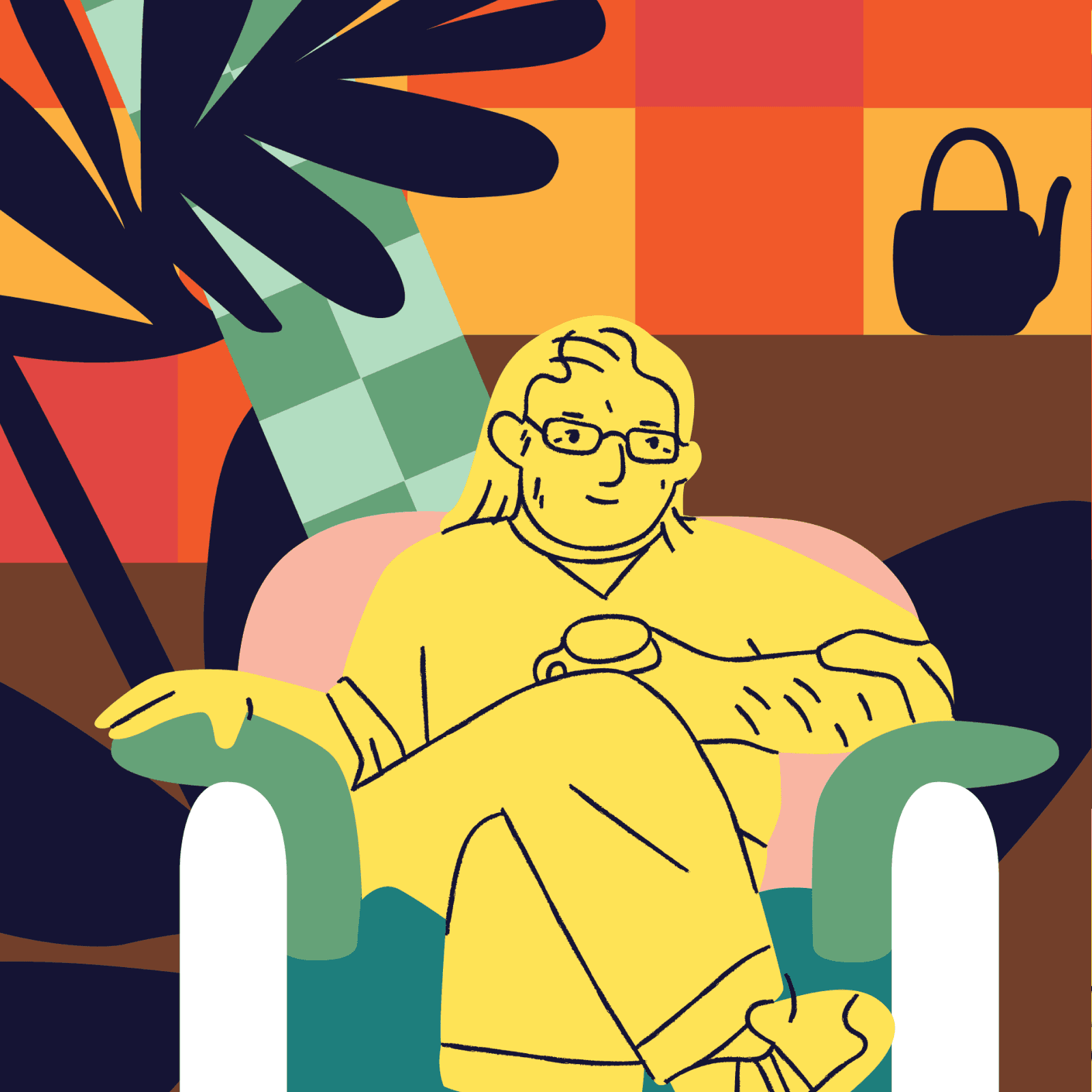
Carla McRae, Jacky Winter Artist"I'm often asked to illustrate diverse groups of people interacting or moving through the world doing their thing. I love these briefs, but because they come up so often, it takes conscious effort to keep each project feeling fresh so I'm not repeating myself. I’ll challenge myself to explore different fashion styles, subcultures or dive deep to find specific references to shape each character’s individuality, sometimes even drawing some very subtle inspiration from people in my life. It’s a process I find really fun and my hope is that it helps the final artworks feel more fully realised and authentic."
Tip Two: Push past the obvious
Once you’ve had that initial idea, great! Now let’s gently challenge it.
If the brief says “a girl sitting on a chair”, we can all picture something serviceable within seconds. But what happens if you push it just a little further? What kind of chair? What’s the mood? The perspective? The detail? The tension?
This is where the work becomes yours, and magic can happen! Actually, this was exactly the brief I gave Jacky Winter artist Lili Tae, who created the beautiful illustration you see for this article above.
As an agent, I love to see and encourage artists to develop at least two initial concept directions:
One that answers the brief clearly and confidently.
Another that stretches it, something with a bit of injected personality, a touch of risk, or an unexpected angle.
Clients, this is where trust becomes invaluable, and the ball is in your court! That second option, the slightly stranger one, is often where the magic sits. Fair enough, it may not always be the final choice, but it’s frequently the one that shifts the conversation in a more interesting direction. It’s also important to note that usually the initial concept or ‘rough sketch’ can and will look vastly different to the final, ‘tight’ artwork.
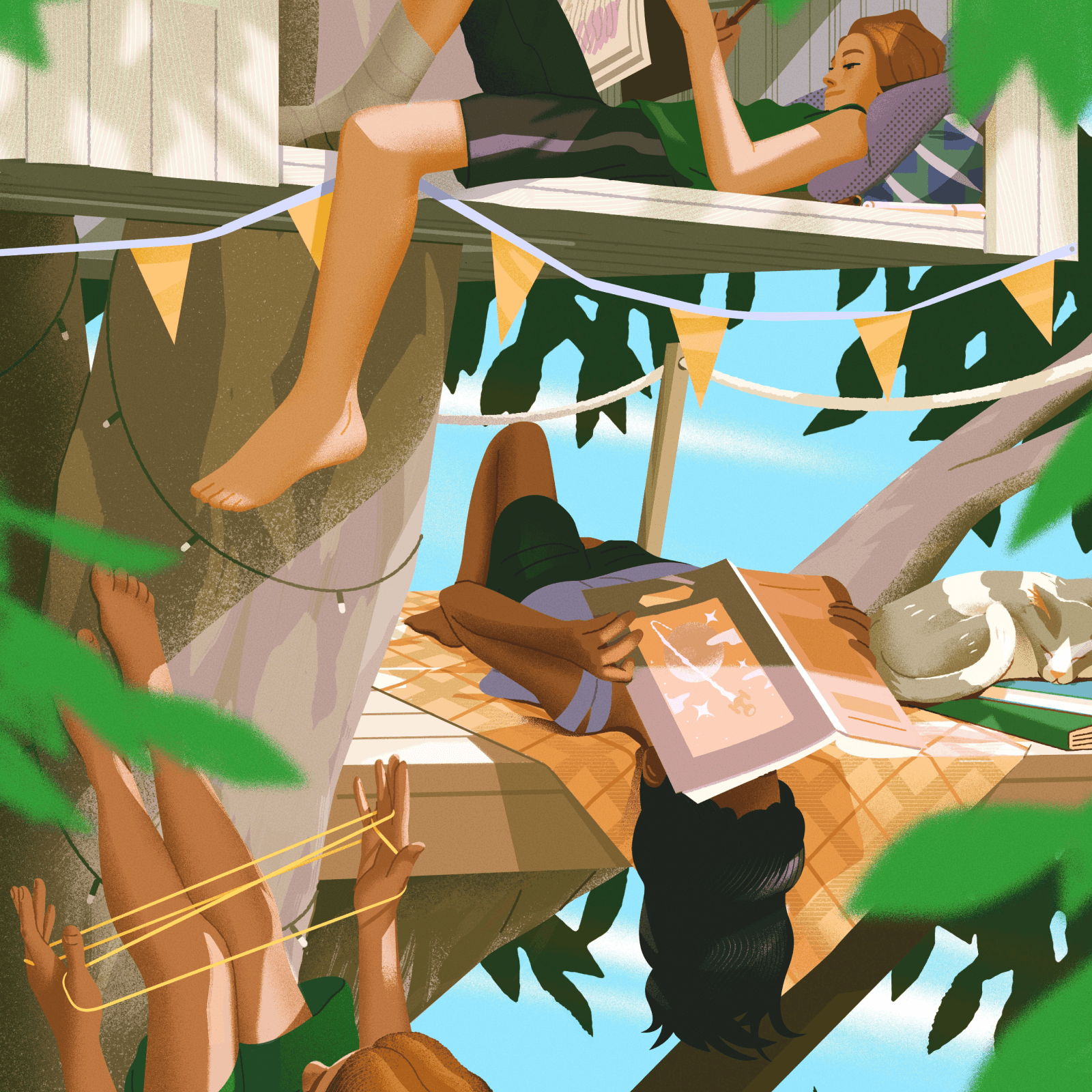
Jason Solo, Jacky Winter Artist“When the problem is that the endgame isn’t clear, or perhaps isn’t feeling exciting, you can feel a little shackled when concepting. My ‘strategy’ (saying that makes it seem way less ethereal and leaves out a lot of heavy sighing) is often to think of a way to reframe the brief with a different perspective, sort of short-circuiting your normal mental rules, or giving yourself a different place to start from.
While it depends on the job... making the time to present an extra option they may not have asked for can be a way to get things to a place you feel better about. Even if they don’t go that way, you were valiant in the effort.”
Tip Three: Calling all Creative Directors!
A creative brief is more than a set of instructions; it’s the roadmap that shapes everything that follows. A really solid and well-considered creative brief can absolutely be the make-or-break of a project, pushing it from average to award-winning.
So, a gentle call-out to all creative directors, clients, and artwork commissioners: this is your time to shine. To quote the late Uncle Ben, with great power comes great responsibility. You have the power to set the project up well from the outset. Give your artist something to grab onto, an idea, a tone, a point of view. Enough direction to feel purposeful, but not so much that there’s no room left to move.
It’s worth asking: would you be excited to receive this brief? And if not, how can I improve this?
I would argue there is a real art to striking the perfect balance, providing a clear framework while still leaving space for creative interpretation, and ensuring the brief has enough substance and intrigue to genuinely spark an artist’s interest. This is your opportunity to empower an artist to do their best work.
If you think about it, Tip One and Tip Two apply to you as well!
Speaking to Jonathan Siedler, Creative Director at Mosh/Moshy, about his tips and approach to creating a successful creative brief, he emphasised the importance of setting his team up for success from the outset. In addition to providing art pads for scribbling and a bit of 3PM Britney Spears to get the creative juices flowing, he said:

Jonathan Siedler, Mosh, Creative Director“So one thing we do in my department, which I instituted in my first week here is something called Idea O' Clock. We go to a local cafe with no laptops and go widescreen on the ideas that often either become our briefs or our ads themselves... Telehealth is full of inspiring stories and equally uninspiring briefs. Given the sector's extreme regulation, I think the tendency is to play it safe and avoid anything fun. My response is to push against this. Medical tech and health is all about real people, so when you can't speak to the specifics of treatments, you can very much still talk to the emotions behind them... Our animated set for Moshy that we did with JW was a great example of this."
Tip Four: Build a better sandbox
Great work doesn’t happen in a vacuum, it needs the right conditions to develop.
To build a kickass sandcastle, we need a well-constructed sandbox. In this, both artist and client play a role in how workable (and enjoyable) that space is.
For clients:
- —•Trust your artist. Clear direction is essential, but so is allowing room for interpretation. As mentioned earlier, the leap from rough concept to final artwork can be transformative. And sometimes being overly prescriptive can take away some of that shine.
- —•Allow realistic timelines. Good ideas take a moment to surface, and refinement takes time. Rushed work rarely does anyone justice. Accounting for adequate time for feedback and revisions is crucial and keeps everyone significantly less stressed.
- —•Be mindful of the budget. Time and thinking are part of the craft. A tighter budget naturally means a tighter scope; setting that expectation early helps everyone.
For artists:
- —•Communicate openly. If something in the brief feels unclear or restrictive, ask. Often, a small conversation unlocks a much stronger direction and can save you a headache much later down the line.
- —•Provide a rationale. Some of the strongest creative partnerships I see are the ones where thinking is shared, not just shown. A single JPG can absolutely land the idea, but there’s something particularly compelling about work that arrives with context, whether that’s a few notes, references, or a short PDF that walks through the thinking behind key decisions. This is a chance to showcase your intent and offer clarity and confidence in the direction. It may take a little more effort upfront, but it often saves time (and guesswork) later, keeping everyone aligned from the outset.
- —•Respect the framework. Constraints aren’t the enemy here; they’re often where creativity sharpens.

Tip Five: Reframing the brief
Here’s the slightly uncomfortable truth: very few briefs are inherently “boring”.
A brief is, at its core, a problem to solve or a story to tell. The difference lies in how the creative challenge is approached and then interpreted.
The artists who tend to thrive long-term are not just those with a distinctive style, but those who can take even the simplest prompt and elevate it. They bring curiosity, a willingness to experiment, and a mindset that asks, “What could this become?” rather than “Do I want to do this?”
From the agency side, I’ve seen countless projects that started modestly evolve into something genuinely brilliant, simply because the artist chose to engage with it fully and give it a red-hot crack. And just as often, those are the projects that lead to repeat work, stronger relationships, and unexpected opportunities.
For clients, the same applies in reverse. A thoughtfully considered brief, even if simple, paired with openness and a willingness to collaborate, can unlock far more potential than a heavily over-engineered one.
At the end of the day, a brief is only ever a starting point, and what happens next is a shared journey and effort between artist, client, and often an excitable but well-meaning producer in the middle (hi).
Handled well, even the most unassuming brief can become a masterpiece that you’re proud to have made, or been a part of commissioning :)
Further Reading
Newsletter
About the author
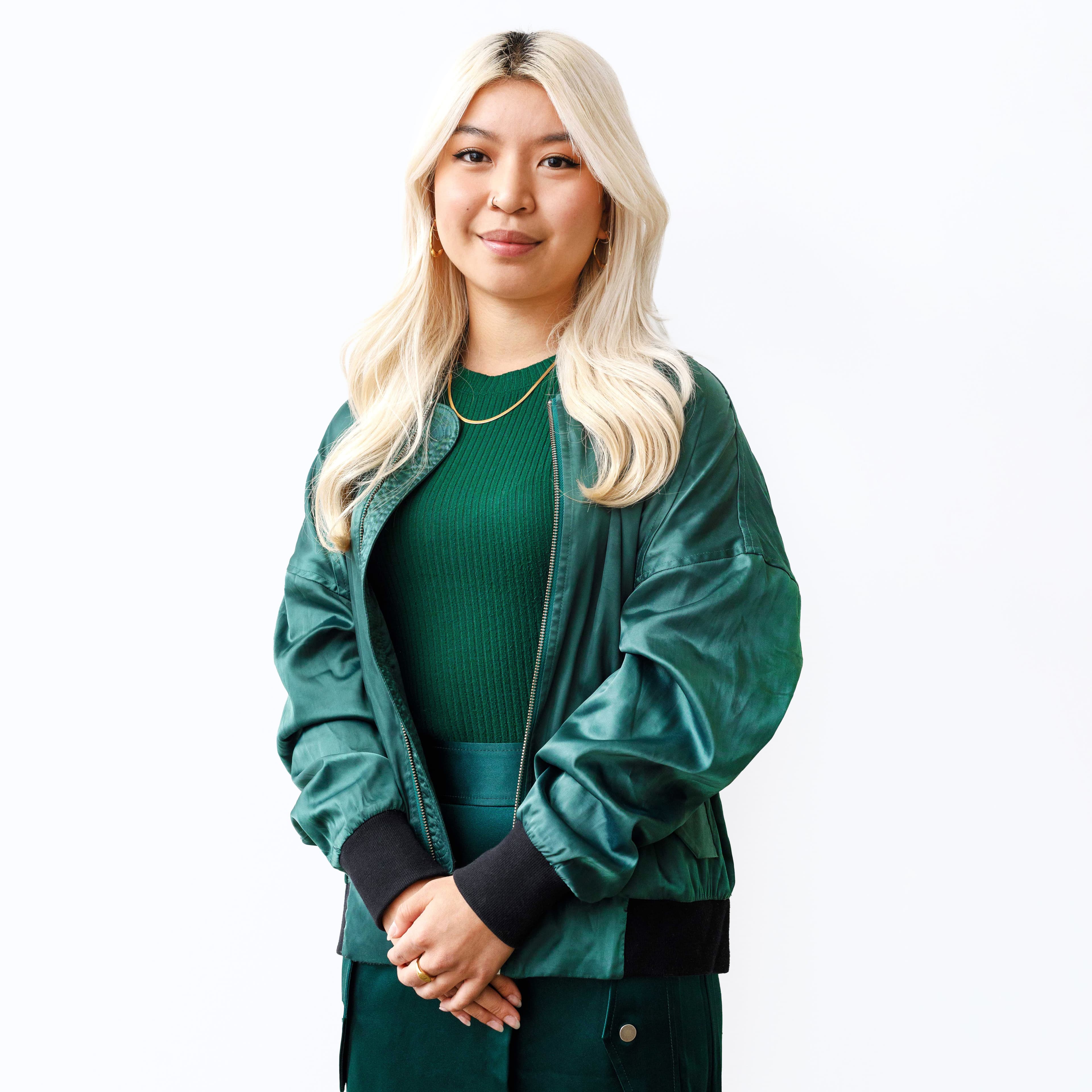
Kirsten approaches every project and creative brief with curiosity and passion. With a background in public art production, festivals and place-making, she understands the powerful role that art plays in conveying ideas and enriching our everyday lives. Driven by a commitment to cultivating meaningful relationships, Kirsten is dedicated to finding the best outcomes for both creatives and clients. Her holistic approach transforms visions into impactful realities, making a lasting difference in the communities she engages with.