Dear Jacky:
What matters more in a creative career? Data or instinct?
I came to Jacky Winter with a background driven by data. Before joining the team, I spent years in advertising, looking at audience behaviour, customer journeys, campaign performance, patterns and insights. I would look at the numbers first, then work out what they were trying to tell us.
Jacky Winter, on the other hand, has always been instinctively strong. The business has been built on taste, trust, relationships, gut-feel and a deep understanding of creative work. Decisions have often been made not just by asking “what does the data say?” but rather “does this feel right?”
At first glance, the two ways of thinking can feel directly opposed. But the longer I’ve been able to sit between them, the more I believe that the best creative decisions need both. Data should absolutely inform creative decisions, but it shouldn’t be mistaken for the creative idea itself.
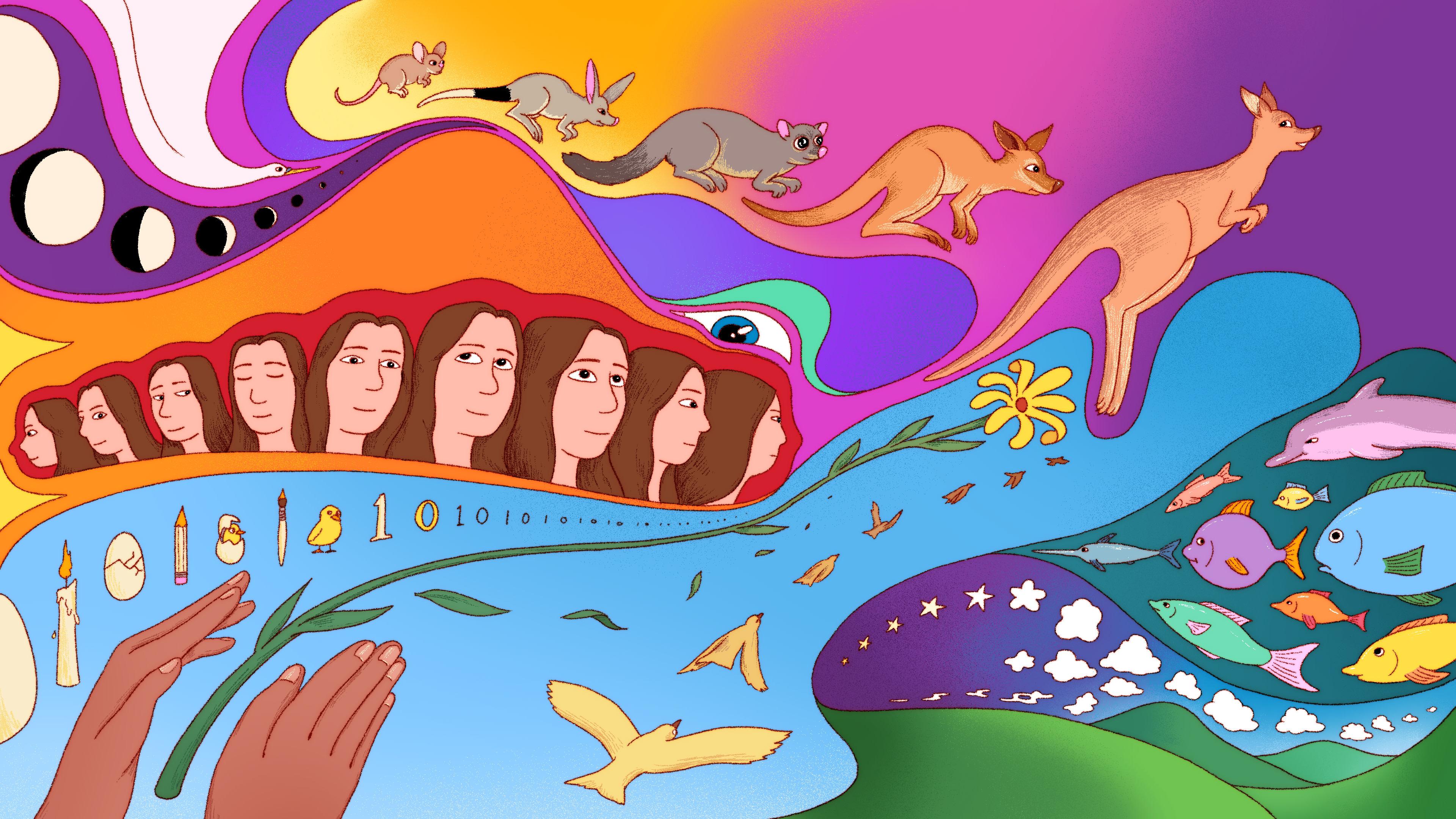
What is the point of data?
To be clear, I’m still firmly in the “data is important” camp. I don’t think I could make any decision, professional or personal, without seeing at least some data first. Those nuggets of information are what teach something new, or better yet, tell us something surprising! Data show us the patterns. But the danger is when you believe that it’s going to tell you what that pattern means. The “meaning” needs to come from you!
For example, an artist might see that a particular piece of work received more saves, shares or comments than usual. The numbers tell you something happened, but it doesn’t tell you why. The same data point could lead to very different paths. One artist might decide to make more work in that exact style. Another might see it as a clue that people are responding to a certain feeling or idea within the work. Another might decide, while it worked well, it’s not actually the direction they want their practice to move in. This is where meaning makes a difference. Not in the data point itself, but in what you decide to do with it.
For clients, data is equally important, but it plays a different role. Good data can make a brief sharper. It can help a client explain the audience, the opportunity, the tension, the challenge and ultimately the desired results. But data shouldn’t be used to prescribe the creative outcome. When a client comes to an artist or creative partner with too much certainty around what the work needs to look like, the data tends to narrow the brief down, rather than opening it up. The best briefs should use data to build context, not take control. This give the creatives enough information to understand the world the work needs to live in, while still leaving space for interpretation, surprise and originality. That is where the true value of working with creatives comes from. The data can start the sentence, but the creative decides how it ends.
Data can point to a pattern, but it can’t tell us what to value. Those decisions come from our judgement – informed by experience, taste, context and appetite for risk.
What data should artists actually care about?
For artists, there is a wealth of data available, now more than ever. Your Instagram analytics and DMs alone can show you things like:
- —•What work are people saving or sharing?
- —•What kind of work is actually leading to enquiries?
- —•Are clients asking for work you want to be making?
- —•Which industries, regions or types of briefs are showing up consistently?
- —•How are people talking about your work in the comments?
- —•What is getting attention VS what is getting paid work?
- —•What type of clients or industries are offering bigger budget opportunities?
The aim is not to let the data dictate your practice. The aim is to notice the gaps between what people respond to, what people pay for, and what you actually want to keep making.
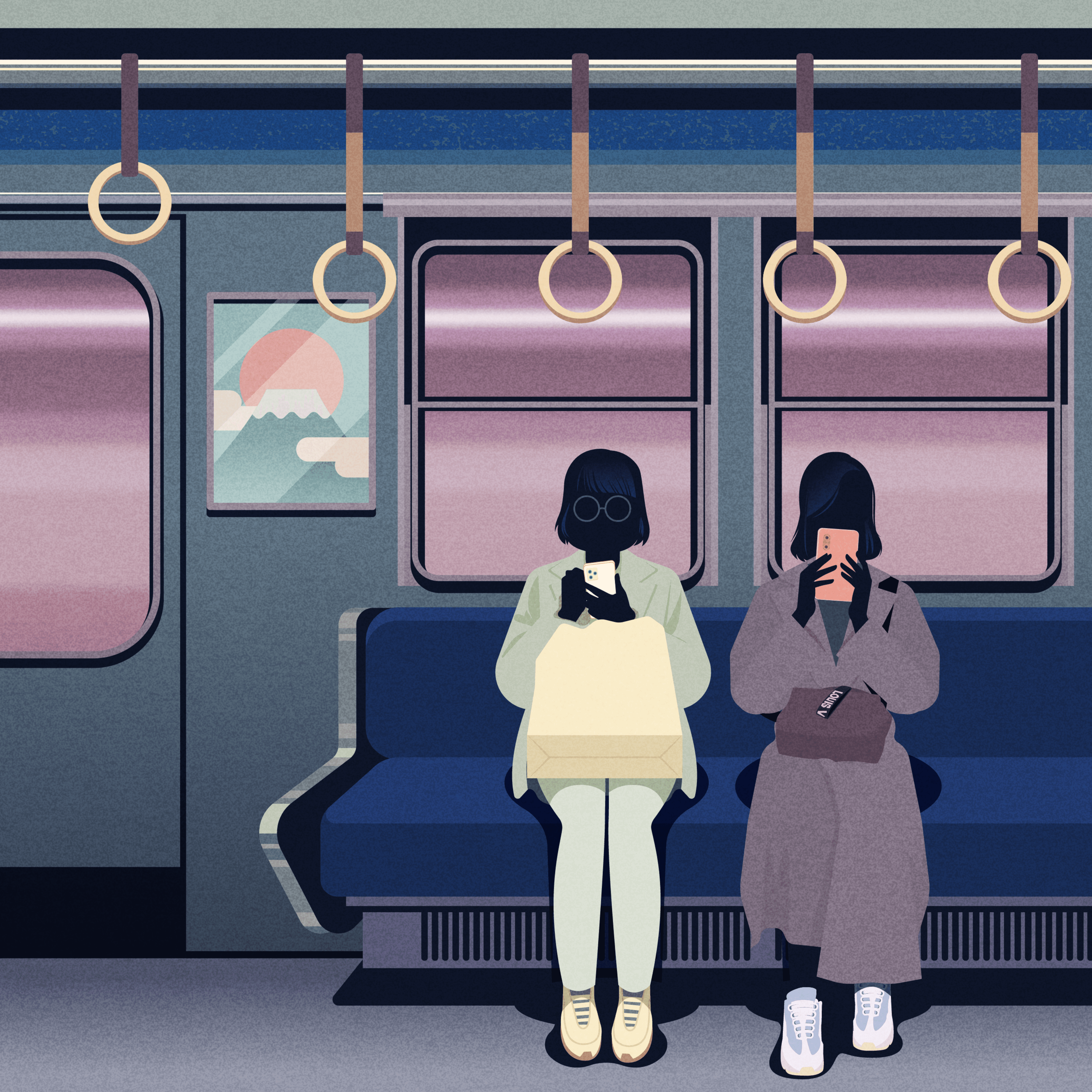
Jo Ley, Jacky Winter ArtistBack when I used to post daily I had a much stronger gasp of how to puzzle through insights, it was kind of gamified. If you do x, y is more likely to happen etc. Some artist friends occasionally shared their insights page so we could see where there were overlaps, which was fun. Of course correlation is not causation and every account would behave differently, as if they were each their own little ecosystem.
For all the information it gave me, the main things I remember from it were the social interactions, they were a bigger influence than the numbers. The algorithm doesn't actually see the piece of work you posted, and while it can measure reactions, there's no context for how any of it feels. If someone has taken time out of their day to comment on your work, that feels valuable because it cost them something to do it.
Data looks backwards
Anytime you look at a report, you will see that there is a specific date range referenced. This is because data can only talk to what happened at that exact point in time. This is particularly relevant now because AI has made data more powerful. LLMs are trained on existing materials, so in simple terms, they are a historical record of the past. They can surface patterns, predict what might come next, remix references and make certain tasks faster, but ultimately it can only draw from what has already been documented.
Creatively, if we only reference or follow the data, we risk creating more of what already exists. We end up chasing the thing that already performed, already trended, already converted, or already feels overdone.
So how can data be creatively useful? By treating it as a signal, not an instruction. Data can show the patterns, but people need to look underneath it: the unmet need, the repeated assumption, the emerging behaviour, or the opportunity that hasn’t been properly explored.
In defence of vibes
One of my favourite tasks to do at Jacky Winter is to create our half-yearly reports. Here I’m not just looking for performance metrics, but rather looking for the shape of the business. Where are briefs coming from? Which artists are being considered for which types of work? Which categories are growing? What regions are behaving differently? What are clients asking for, more often? Or what has gone quiet? More often than not, the report confirms what the team already knew. Sometimes it gives evidence to something that we had only sensed. And sometimes it reveals a gap - a type of work we could be talking about more clearly, or uncovers a client category that we haven’t explored properly yet.
The reports don’t replace our instinctive way of working, but they do give it more structure. They help us put language around what we were already feeling, spot opportunities sooner, and move with more intention when something feels worth exploring. In that sense, data doesn’t change our vibes-led approach, but it helps us accelerate it.
I know “vibes” can be an unserious term, but in a creative business this actually means:
- —•Years of looking at work
- —•Knowing when something feels culturally timely
- —•Understanding artist fit beyond a portfolio category
- —•Sensing when a client says one thing but needs another
- —•Knowing when a brief has enough room to be stretched
- —•Recognising when something feels too expected
This kind of instinct has paved the way for some of the most important evolutions in the Jacky Winter ecosystem. Ventures like Choreus, Gildlings and Capital Virtues were not born from a report telling us exactly what to build next. They came from paying attention to the signals around us: the conversations we were having, the gaps we could feel in the industry, the needs that were emerging for artists, clients and creative communities. The data can eventually help us understand how to measure and grow those ventures, but the first move comes from something harder to quantify. The sense that something feels worth exploring.
The same is true for artists. Trusting your vibes does not mean ignoring what is happening around you. It means learning to recognise your own internal signals with the same seriousness you might give to external data. The numbers might tell you that one type of work is getting more attention, but your instinct might tell you that another part of your practice has more depth or more room to grow. That matters too.
Vibes isn’t the absence of information. It’s actually a result of having so much information that you no longer need to consciously name it.
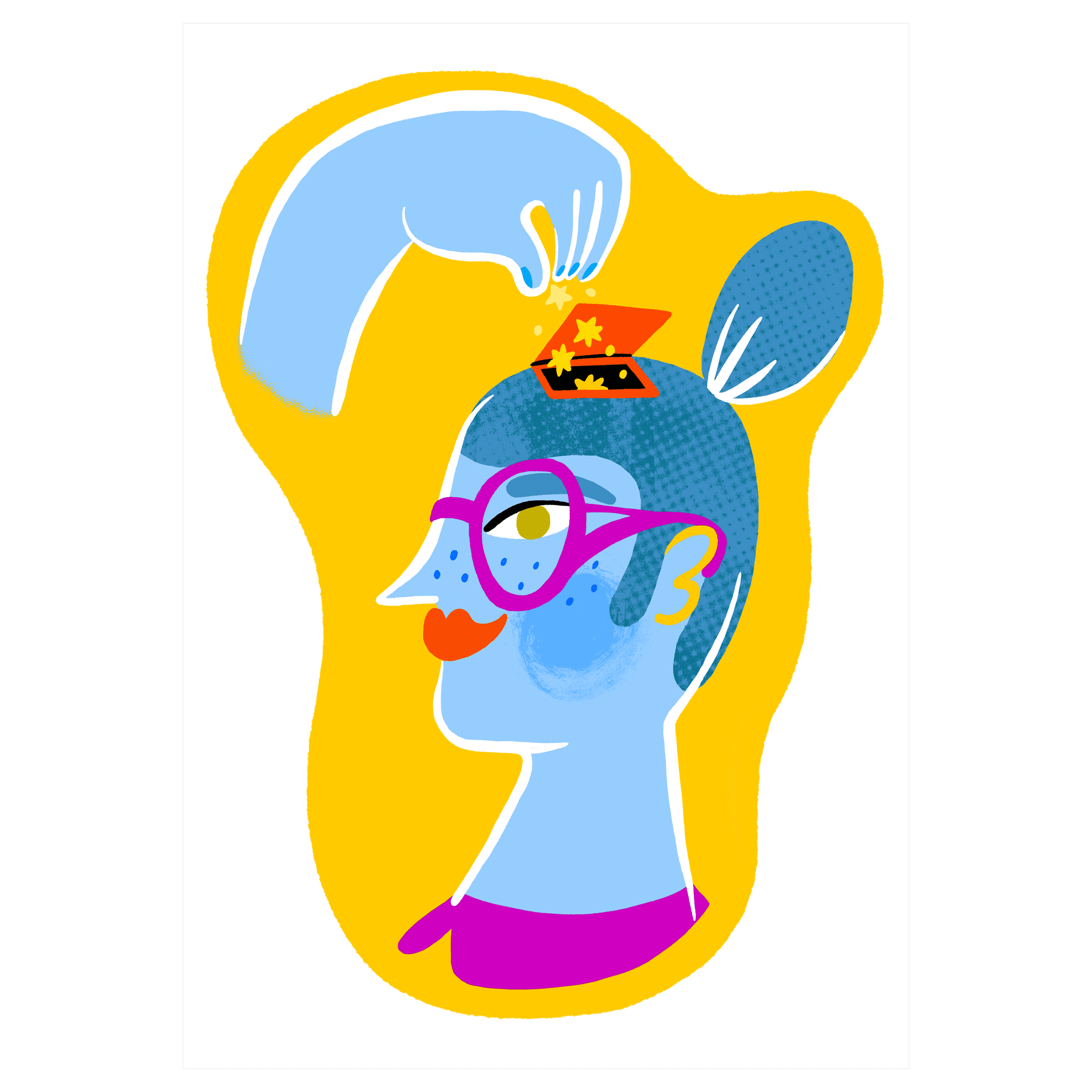
Elin Matilda Andersson, Jacky Winter ArtistWhen it comes to creative practice, going on "vibes” does not equate lack of a thoughtful process or well-grounded decisions. A successful response to a client brief means paying attention to minute details, as well as seeing the big picture. This is a craft that is developed over a long time — years of dedication to creative expression and art making, but also collecting data. It’s the type of data that won’t end up in a spreadsheet, but maybe in a sketchbook. It’s countless conversations, a poem, an artwork on the streets of Tokyo or in a remote country town, a bug seen on a bushwalk, a particular podcast episode. Curious minds collect data continuously. The data points are perhaps (definitely in my case) all jumbled up and not neatly categorised, but I think that’s maybe how it needs to be for unexpected connections to be made.
Data and Vibes need each other
Creative people have a very important role in the world, and it’s because they have the ability to create something new. If the data shows us where we have been, then it’s a creative mind who can ask “what comes next?”
The best creative decisions are not made by ignoring data, or blindly following it. They happen when data, taste, instinct and context are allowed to co-exist and challenge each other.
With more data at our fingertips than ever before, the human role becomes more important, not less. The value is not just in knowing what has happened. It’s in deciding what matters, what to ignore, what to question, and what feels worth making next.
Newsletter
About the author

Mae is Jacky Winter's business manager working from the Melbourne office. With a career in the advertising industry spanning over 15 years, she has worked with a wide range of clients and brands, across all types of media. A meticulous project manager, Mae loves to work with clients and creatives to develop exciting work that brings brands to life. She also excels at supporting and developing her team, nurturing their skills and talent, always aiming to add value and develop connections along the way.